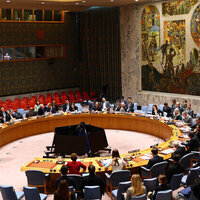


The UN Security Council approved a US-backed resolution on Friday supporting Morocco's continued control of the disputed Western Sahara, saying that "genuine autonomy under Moroccan sovereignty" could well be the most "feasible" option for the mineral-rich territory. The Algerian-backed Polisario Front continues to advocate independence for the former Spanish colony.
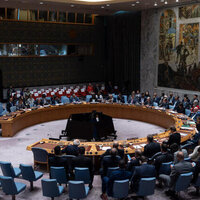
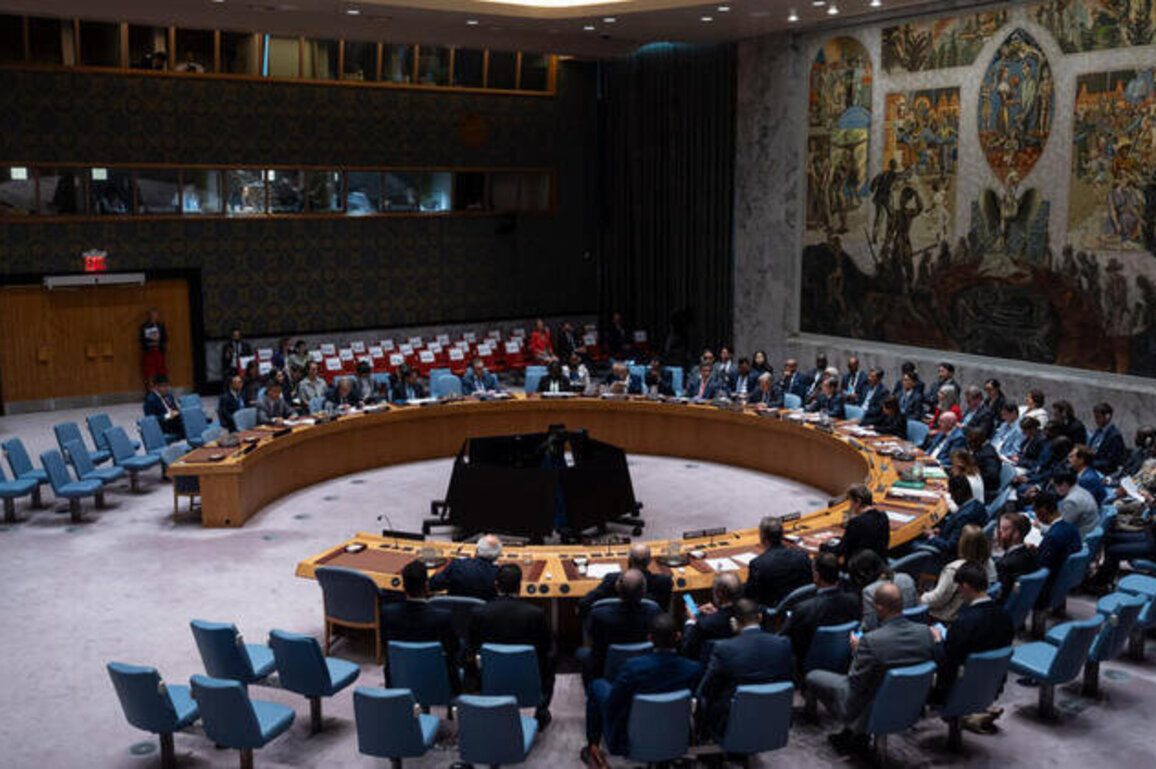
TheUN Security Councilon Friday approved a US-sponsored resolution backing Moroccos claim to the disputedWestern Sahara, a shift that aligns with the Trump administration's support for the North African country.
"Genuine autonomy under Moroccan sovereignty could constitute a most feasible solution," the resolution said.
Although the vote was divided, the resolution offers the strongest endorsement yet for Moroccos plan to keep sovereignty over the mineral-rich territory, which also hasbacking from most European Union membersand a growing number of African allies.
The United States welcomes todays historic vote, which seizes upon this unique moment and builds on the momentum for a long, long overdue peace in Western Sahara, Mike Waltz, US ambassador to theUN, said in his remarks after the vote.
The resolution refers to Moroccos plan as a basis for negotiation. As with similar resolutions in previous years, the text makes no mention of a referendum on self-determination that includes independence as an option, which is the solution long favoured by the pro-independencePolisario Frontand its allies, includingAlgeria,RussiaandChina.
Read moreAlgeria withdraws envoy to France amid Western Sahara spat
In a rare speech broadcast on Moroccan television after the vote,King Mohammed VIcelebrated the result and pledged to supplement Moroccos proposal with additional details. He also called for dialogue with Algerias PresidentAbdelmadjid Tebboune.
The US led 11 countries in voting in favour, while three countries Russia, China and Pakistan abstained. Algeria, Polisarios primary benefactor, did not vote.
Sidi Mohamed Omar, the Polisaro ambassador to the UN, thanked the allies who abstained and Algeria for protesting the vote, saying this made it very clear that todays resolution does not imply any recognition of Moroccos sovereignty over Western Sahara.
In other words, and in plain English, it does not imply recognition of Moroccos illegal military occupation of Western Sahara, he added.
Western Sahara is a phosphate-rich stretch of coastal desert the size of Colorado that was under Spanish rule until 1975. It is claimed by bothMoroccoand the Polisario Front, which operates out of refugee camps in southwestern Algeria and claims to represent the Sahrawi people indigenous to the disputed territory.
Amar Bendjama, the Algerian ambassador to the UN, said that while the resolution was an improvement on previous iterations, it still has a number of shortcomings, arguing that the text "does not faithfully or sufficiently reflect the UN doctrine on decolonisation".
The measure also renews the UN peacekeeping mission in Western Sahara for another year, as has been done for more than three decades. Prior extensions, however, havent included a reference to Morocco and its allies preferred outcome.
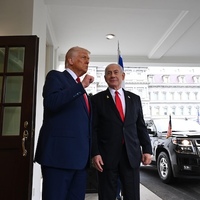
The vote came weeks after US PresidentDonald Trump's special envoySteve Witkoffjolted the region by suggesting on CBSs 60 Minutes that peace between Morocco and Algeria could be reached within 60 days. The neighbouring countries haven't had diplomatic relations for four years.
Massad Boulos, Trumps senior adviser for African affairs, reiterated US support for Moroccos plan in an interview with Sky News Arabia this week.
The UN resolution calls on all parties involved to seize this unprecedented opportunity for a lasting peace. Depending on progress, it asksSecretary GeneralAntonio Guterresto review the peacekeeping missions mandate within six months.
The shift could unsettle a long-stalled process that for decades has eluded resolution, despite a UNpeacekeepingmission designed to be temporary. Demonstrations have ensued in Sahrawi refugee camps in Algeria this week, where people have vowed not to give up their fight for self-determination.
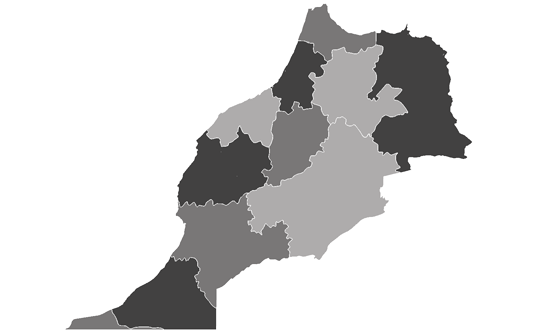
Morocco controls nearly all of Western Sahara, except for a narrow strip known as the free zone that lies east of a Moroccan-built sand wall.
A 1991 ceasefire was meant to pave the way for a referendum on self-determination, but fighting over voter eligibility prevented it from taking place.
Over the years, Morocco has transformed the disputed territory, constructing a deepwater port and a 1,055-kilometre highway. State subsidies keep food and energy prices low, and the population has ballooned as Moroccans settle in cities such as Dakhla and Laayoune.
Polisario withdrew from the ceasefire in 2020 after clashes near a road Morocco was paving toMauritania.
The group has since regularly reported military activity, while Morocco has mostly denied open conflict. The United Nations calls it low-level hostilities.
Last October, UN envoyStaffan de Misturasuggested partitioning Western Sahara, a proposal neither side accepted. He urged Morocco to clarify what autonomy would entail and warned a lack of progress might raise questions about the United Nations' role and whether there is space and willingness for us to still be useful.
(FRANCE 24 with AP)
Originally published on France24