

China says it will sign a new economic pact with Africa that will get rid of all tariffs on the 53 African states it has diplomatic ties with a move that could benefit middle-income nations as they prepare for tariff hikes on products entering the United States.
The move, announced at a China-Africa co-operation meeting (FOCAC) in Changsha, central China, comes as the continent faces the possibility of increased tariffs on its products entering the US.
The Asian economic giant already offers duty- and quota-free market access to least developed countries (LDCs), including 53 countries inAfrica, but the new initiative will level the playing field by also offering middle-income countries similar market access.
Eswatini (formerlySwaziland) is the only African country excluded from the zero-tariff deal. It maintains diplomatic ties withTaiwan, whereas China regards it as a breakaway province.
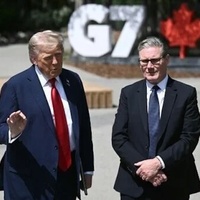
The timing of Beijing's decision is significant. In April, President Donald Trumpannounced high tariffson its imports from many countries, including a 50 percent rate for Lesotho, 30 percent forSouth Africaand 14 percent for Nigeria.
While the implementation of the tariff hikes has been paused until next month, they'vecaused consternationnonetheless.
"Faced with an international situation marked by changes and turmoil, China and Africa should uphold solidarity and self-reliance more than ever,"said Foreign Minister Wang Yi, calling on both sides to respond to uncertainties in the world with a stable and resilient China-Africa relationship.
China pledges to give Africa $51bn in fresh funding over next three years
Reducing Chinas trade surplus
China is Africa's largest trading partner, its main investor and its largest creditor. In 2023, Africa exported goods to the Asian nation worth around $170bn.
A key objective for Beijing is to provide major industrial powers within Africa such as Kenya, South Africa, Nigeria, Egypt, and Morocco with greater market access in order to boost their export capacity.
Beijingalso hopes the initiative will help ease its own structural trade surplus with Africa, which currently stands at $62 billion.
As part of President Xi Jinpings broader diplomatic strategy to foster South-South solidarity and build a community with a shared futureTanzaniaandMaliwere also promisedtechnical and commercial assistance in the form of training, marketing and logistical support.
Chinas new strategy in Africa: is the continent getting a fair deal?
Limited impact
It is still not clear, however, which sectors will be affected by the tariff changes, reports RFI's Beijing correspondant Clea Broadhurst.
Currently, most African exports to China are raw materials, ores and oil, all of which have limited added value.
Some question whether Beijing will apply its exemption policy to South Africas car exports, and if there is sufficient demand for them in the Chinese market,
There are also concerns that the policy might keep many African countries locked into their role as raw material producers, rather than helping them move up the value chain.
Since 2005, the 27 least developed countries in Africa have been eligible for exemption from nearly all custom duties on their exports, with limited measurable effects. The new policy could inadvertently prolong their dependency on extractive industries, instead of fostering transformation.
Originally published on RFI